Utsab, a first‑semester engineering student, is in a rush. His computer programming lab assignment report is due today at 2 PM. It is already 1 PM, and he is still unaware of what the assignment may be. The task requires sorting numbers in an array using three standard sorting algorithms. Unfortunately, he hasn’t begun yet.
Desperate, Utsab finds the lab report of the class topper and rushes to copy it. He gathers with a few classmates in an empty classroom, mindlessly scribbling down the exact problem description, code, and conclusions onto their blank pages without personal input. They are more focused on getting done quickly than actually understanding the assignment.
In just 30 minutes, they complete their reports without grasping even a single concept. Utsab doesn’t realize it yet, but he has just put himself at risk of failing his C++ programming course exam.
Unfortunately, Utsab’s experience is not unique. Across engineering schools in Nepal, students are resorting to copying lab reports rather than engaging in hands‑on coding practice. Consequently, many first‑year engineering students fail in computer programming. Computer code is designed to run on a computer, not hand‑written on paper.
While board exams may require students to hand‑write code, and practice is important, the primary goal of a lab is to provide practical experience. Hands‑on lab experiences prepare students for their future studies and real-world applications after graduation.
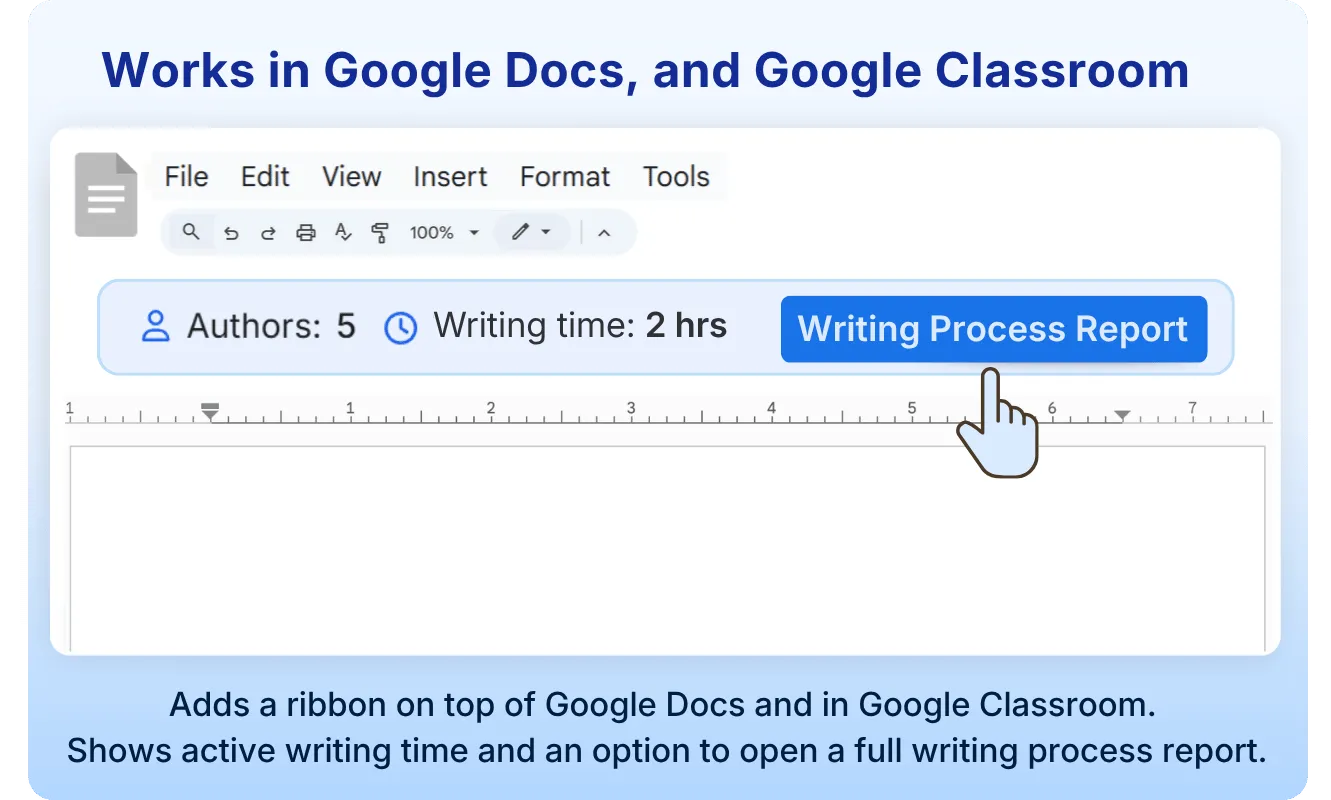
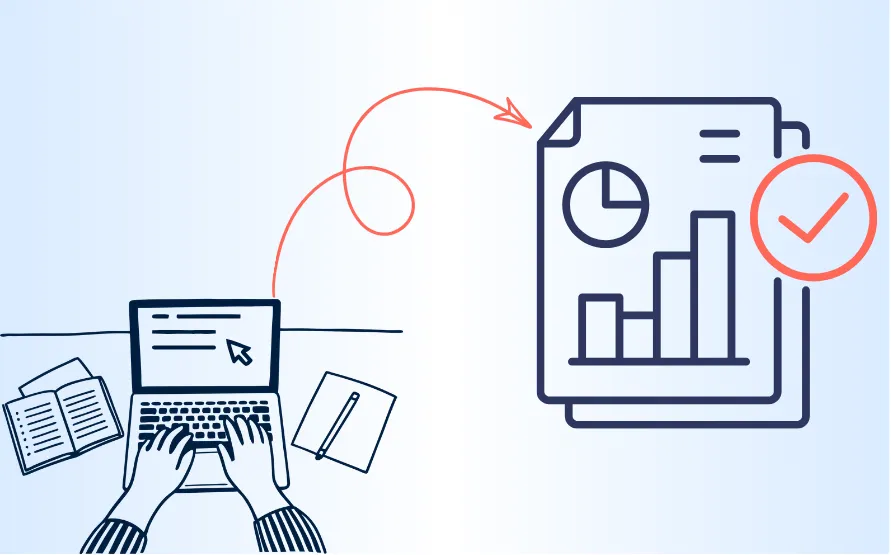
As a solution to this issue, Professor Badri Adhikari at the University of Missouri‑St. Louis launched Process Feedback, an online compiler designed to improve the quality of coding education. Developed collaboratively with freelancers, students, and volunteers, this tool goes beyond traditional compilers. It records a student’s coding process and displays the process as numerical summaries and charts. It tracks students’ typing history along with all the testing and debugging activities done while coding. Whenever a student wants to review their process, it generates insightful visualizations, such as a code execution timeline that highlights when the code ran successfully or failed. By making the coding journey transparent, Process Feedback promotes authentic learning and keeps plagiarism in check. Meanwhile, it also allows teachers to see where students struggle and offer their students personalized feedback.
In January 2023, I happened to meet Dr. Adhikari at an event while he was visiting his family in Nepal. When I asked him about this research, he told me about the Process Feedback project. I asked if I could help in any way. He informed me that the Process Feedback online compiler was recently tested at the Advanced College of Engineering and Management (ACEM), Nepal, in a class of about 40 students taking the C++ programming course.
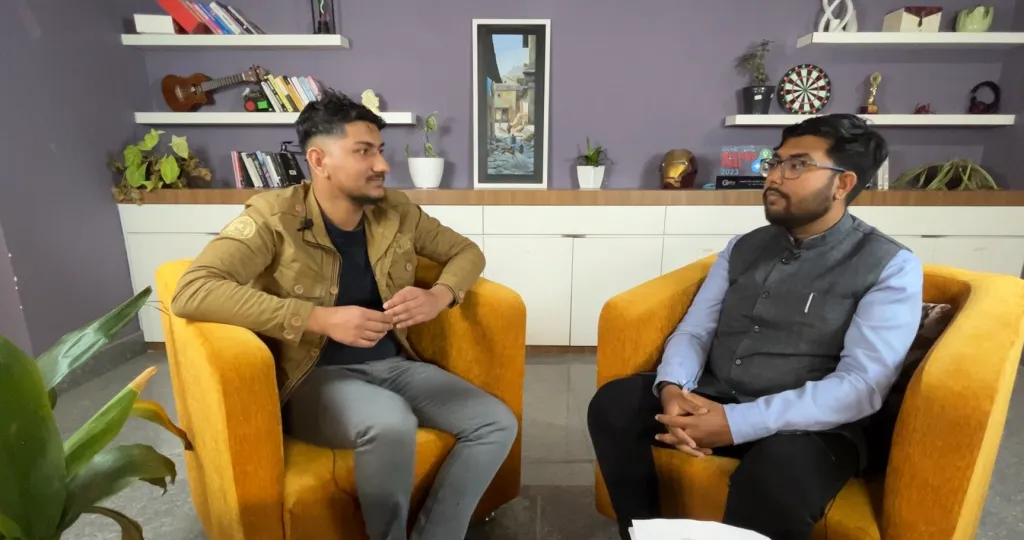
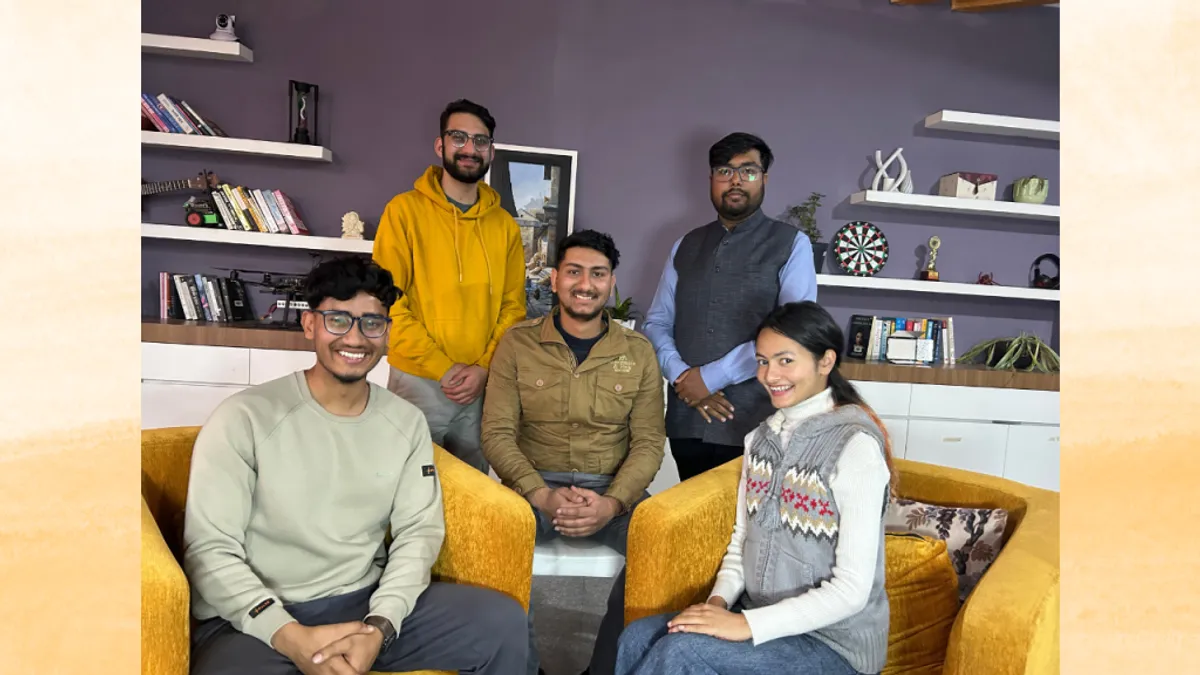
Curious to understand the user perspective, I, along with a friend of mine, went to ACEM and met Sameep Dhakal, the teacher who introduced the online compiler in his class. Sameep is currently pursuing his PhD at the University of Missouri-Columbia. At ACEM, we also met Aarati and Subash, two students from Dhakal Sir’s class who had used Process Feedback for their coding lab assignments. While discussing their experience, we heard new perspectives on the tool. To explore these insights further, we decided to conduct an in-depth interview. For about an hour or so, my friend Prabhat and I interviewed Sameep Sir and his students, Aarati and Subash, asking them about their experience of using the new online compiler.
When Sameep Sir first introduced Process Feedback in his classroom, he wasn’t sure how his students would react. Would they resist the change, or would they embrace this new way of coding? To his surprise, not only did students adapt quickly, but he also saw a dramatic improvement in their coding skills. With Process Feedback, he could track each student’s learning journey, identify struggles, and ensure fairness in grading. No longer was it possible to copy-paste code without understanding it. For the first time, he felt that he had real insights into how students were thinking through their programming assignments, and this entirely changed his approach to teaching.
For Aarati, a student in the class, switching from handwritten lab reports to coding directly on Process Feedback was a game-changer. She no longer had to worry about messy handwritten notebooks or losing pages—everything was tracked and stored automatically. But what truly stood out to her was the playback feature, which let her review her entire coding process step by step. If she made a mistake, she could go back and see exactly where things went wrong, making debugging much easier. Instead of rushing through assignments, she admitted, she started reflecting on her work, improving not just her grades but her overall understanding of programming.
For Subash, another student in the class, the most exciting part of Process Feedback was how transparent and fair the grading became. He no longer had to wonder how his work was evaluated—his effort was visible. He particularly liked the “Active Typing Time” feature, which gave him a clear picture of how much time he spent coding versus getting distracted. It was a wake-up call. “Earlier, I would sit in front of my laptop for hours, thinking I was working hard. But when I analyzed my actual typing time, I realized I needed to focus more,” he said.
More recently, I found out that other universities and colleges in Nepal have also started to use the online compiler. For example, at Gandaki University, Assistant Professor Amrit Poudel requires his students in the C/C++ course to use the same Process Feedback compiler. Students are also very happy using the compiler because they don’t need to hand-write anything.
Education technologies such as Process Feedback are the future. We need tools that are easily accessible and free for students. Our students also need tools that allow them to reflect on their practices. I hope more colleges and universities in Nepal, Asia, and around the world can follow the lead that ACEM and Gandaki University have taken. I also hope that students like Utsab, who may have taken the wrong direction, find the guidance they need from both their teachers and themselves through such initiatives that promote a process-oriented learning experience.