In some of my courses, I want students to use generative AI. But of course, I want them to use it responsibly and in a way that actually enhances learning. One way to support this is by asking students to be transparent about their AI usage. For example, we might ask them to share their chat logs.
But to be honest, I often feel intrusive doing that. Asking for every behind-the-scenes step can make students feel surveilled, not supported.
And in general, having a conversation about the working process early in the semester is far more effective than threatening them with AI detection tools. Because once I’ve discovered that a student used generative AI deceptively, it’s already a difficult situation. I usually meet with the student, we review the syllabus together, and go over what counts as ethical versus unethical use of AI. I do my best to keep the conversation supportive but it’s still awkward, and often leaves the student discouraged. It can feel like they’re spending the rest of the semester around someone who just gave them a ticket.
So how can we reduce or even prevent these situations in the first place?
One solution I’ve found is not to ask students to show me their AI usage directly but to ask them to reflect on it themselves.
Reflecting on AI usage helps students pause, review, and learn from their own working process.
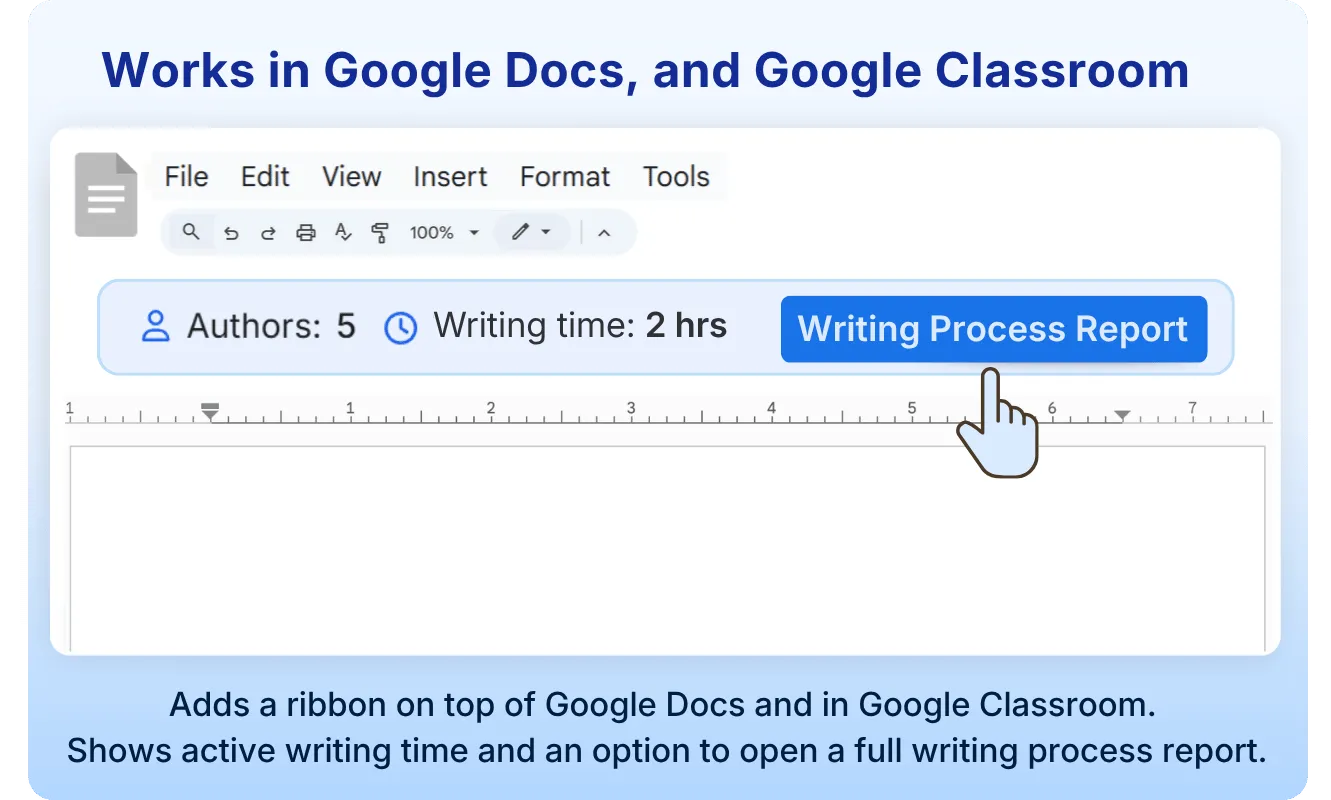
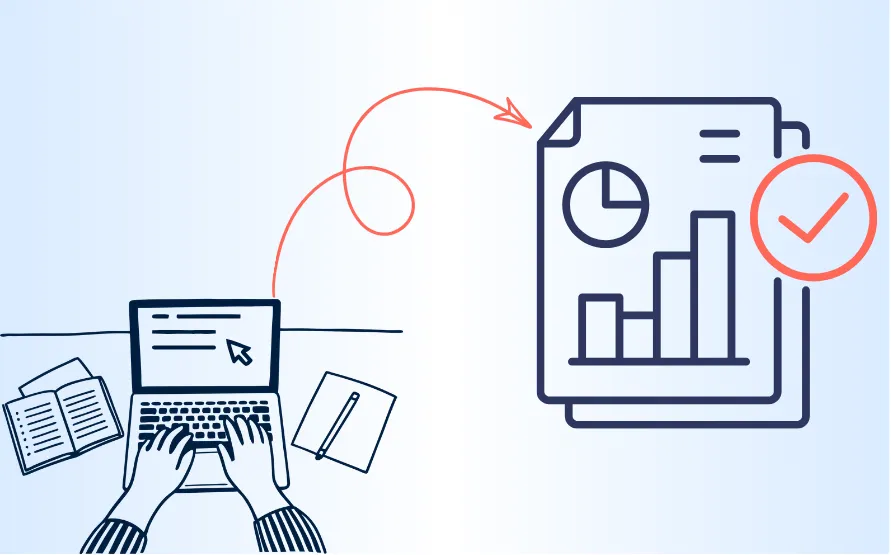
This week, I created a short video tutorial to guide students through this kind of reflection. It walks them through how to analyze their writing process in Google Docs, identify where and how they used AI, and think critically about what helped—and what didn’t.
By encouraging students to reflect, we shift the focus from catching misuse to cultivating awareness. Instead of a gotcha moment, we give students an opportunity to build metacognitive skills and think about how they think, write, and use technology. For example, a student might discover they lean on AI mostly for grammar fixes rather than for shaping their arguments.
That, I believe, is a much more powerful lesson than anything an AI detector can teach. To take it further, we could ask students to reflect in groups so they can compare strategies and learn from one another.